
When Plumbing Problems Become a Safety Hazard
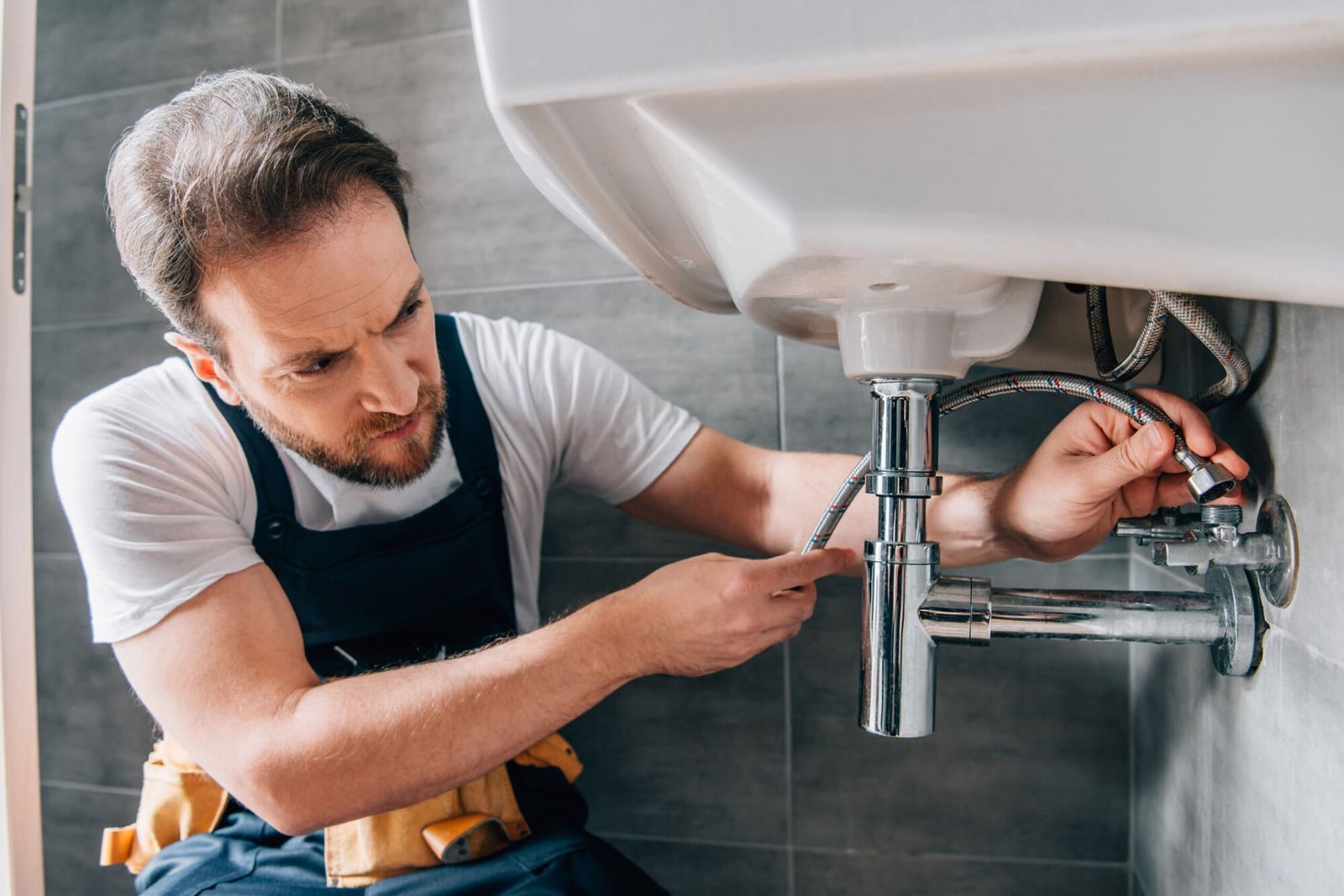
Plumbing problems can quickly become safety hazards. A compromised leak containment system invites mold, structural weakening, and electrical risks from moisture intrusion. Hidden failures may escalate, increasing the chance of floods, slips, or fire hazards. Unresolved leaks and blocked drains threaten occupant safety and disrupt operations. Proactive safeguards, regular inspections, and timely escalation to professionals are essential when leaks persist, pressure spikes occur, or sewage odors appear, leaving a clear reason to continue exploring how to guard against such dangers.
How Plumbing Problems Turn Dangerous: The Core Risks
Plumbing problems can escalate from nuisance to hazard quickly, as hidden failures often manifest without immediate warning. The core risks involve compromised leak containment, which worsens water damage and mold growth, and undermines structural integrity.
Electrical safety must be considered, since moisture infiltration increases shock and fire hazards.
A measured, proactive approach safeguards occupancy, infrastructure, and the freedom to operate without constant disruption.
Spotting Early Warning Signs Before a Catastrophe
Early warning signs of plumbing trouble can manifest as subtle, persistent clues that precede major failures. Detected patterns include unusual sounds, gradual moisture buildup, and unexplained increases in utility costs. Regular leak detection routines reveal hidden ingress before damage spreads. Vigilant observations reduce risk, and awareness of a mold warning ensures timely inspections, safeguarding structural integrity and public health.
Protecting Your Home: Practical Home Maintenance and Safety Steps
As awareness of early warning signs grows, homeowners can shift focus to practical steps that protect both structure and occupants.
Practical maintenance emphasizes routine checks, clear communication, and proactive measures.
Key actions include inspecting for leaks, maintaining drainage, and ensuring proper pipe insulation.
Address blocked drains promptly to prevent backups, costlier damage, and safety hazards while preserving comfort and freedom within the home.
When to Call a Pro: Critical Thresholds and Next Steps
When should a homeowner escalate to professional assistance? Minor issues merit careful monitoring; however, thresholds demand action. Immediate professional entry is warranted for persistent leaks, rapidly rising water pressure, or sewage odors signaling containment failure.
Gas line awareness requires licensed detection and shutoff procedures. Seek pro guidance for unresponsive fixtures, cross-connected piping, or uncertain structural risk, and implement leak containment to prevent escalation.
Frequently Asked Questions
How Can Bad Plumbing Affect Indoor Air Quality?
Bad plumbing can degrade indoor air by fostering mold, mildew, and bacterial growth in damp environments, releasing spores and volatile compounds. This compromises comfort, health, and safety, while necessitating prompt, precise repairs to protect indoor air quality.
Are There Hidden Health Risks From Mold Caused by Leaks?
Hidden mold from leaks presents health risks, including respiratory irritation and allergic reactions, with moisture buildup facilitating mold growth. This is a serious indoor-air concern that warrants prompt inspection, remediation, and ongoing moisture control to protect occupant freedom and safety.
Do Insurance Policies Cover Plumbing-Related Safety Incidents?
Insurance coverage for plumbing-related safety incidents varies; many policies include safety exclusions, environmental limits, and mold health risks provisions. Avoid DIY code violations; emphasis on preventive maintenance. Indoor air quality may influence claims, shaping insurance coverage decisions.
Can DIY Fixes Worsen a Safety Hazard or Code Violations?
“Slow and steady wins the race.” DIY fixes can worsen a safety hazard or code violations, especially with leaky fixtures and faulty venting, which demand professional assessment to protect occupants and maintain compliant, freedom-respecting installations.
What Preventive Maintenance Schedule Minimizes Long-Term Risk?
A preventive maintenance schedule minimizes long term risk by prioritizing regular inspections, prompt leak detection, fixture testing, and timely component replacements. It emphasizes documentation, professional consultations, and clear thresholds to maintain safety while preserving autonomy and freedom.
Conclusion
In quiet homes, danger often hides in plain sight, lurking where moisture sighs and shadows cling. When leaks persist, or drains stall, the air thickens with unseen risks—mold, weakened timbers, electric peril. Yet vigilance and timely action turn the tide: regular checks, prompt repairs, and professional intervention when thresholds are crossed. By treating leaks as alarms rather than nuisances, occupants preserve safety, preserve structure, and restore peace of mind before catastrophe arrives.