Smart Devices for Modern Homes
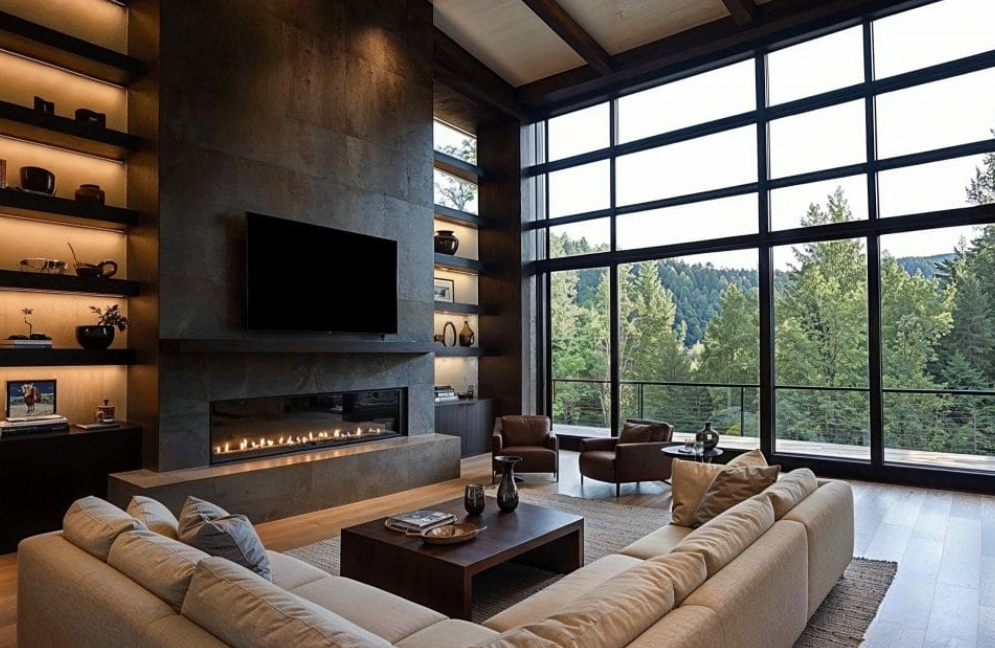
Smart home tech centralizes lighting, climate, and security to reduce manual tasks and energy use. It hinges on a chosen platform with strong privacy, compatibility, and long-term support. Core devices—thermostats, smart lighting, cameras, and sensors—span rooms and functions, enabling scalable automation. Installation and security practices matter to protect networks and data. Thoughtful governance and clear documentation sustain trust and interoperability, while adaptable routines address evolving needs. The framework sets the stage for practical, resilient improvements that still leave questions to answer.
What Smart Home Tech Solves for Modern Homes
Smart home technology addresses common efficiency, safety, and convenience needs in modern households. It enables centralized control of lighting, climate, and security, reducing energy use and manual tasks while maintaining reliable status monitoring.
System interoperability supports flexible configurations, empowering residents to adapt routines.
Smart home ethics and data privacy considerations shape device choices and data handling, promoting transparent governance and user trust.
See also: The Future of Blockchain Scalability
Core Ecosystems: Choosing Your Smart Platform
Choosing a smart platform hinges on compatibility, ecosystem breadth, and long-term support, since the core system defines device integration, updates, and data governance across the home.
Core ecosystems influence privacy controls, interoperability, and future upgrades, providing a stable baseline for expansion.
Users should assess security pitfalls, data ownership, and vendor commitments before committing, ensuring freedom without sacrificing resilience or control.
Must-Have Devices by Room and Purpose
In every room, a curated set of devices tailored to function and purpose maximizes efficiency and user experience. Must-have items include smart thermostats, energy dashboards, and voice assistants for climate control and information.
Smart lighting, security cameras, smart plugs, automated blinds, leak sensors, water leak alarms, and door/window sensors enhance safety.
Robot vacuums, air purifiers, scent diffusers, smart speakers, security hubs, and security cameras complete practical coverage.
How to Install, Integrate, and Secure Your System
Installing and integrating a smart home system requires a structured approach to ensure reliability and security. The process emphasizes developing installation guides and documenting stepwise configurations, firmware baselines, and device roles. It also prioritizes securing network access, enabling strong authentication, segmenting traffic, and monitoring edges. A consumer-focused methodology favors clarity, repeatability, and scalable integration for freedom without complexity.
Frequently Asked Questions
How Do I Budget for a Smart Home Upgrade?
Budget planning should start with defined goals and a phased rollout, allocating funds by feature prioritization. This approach balances cost, compatibility, and future expansion, delivering clarity and consumer freedom while avoiding overcommitment or feature bloat in a smart upgrade.
Can I Mix Brands Within One Ecosystem?
Yes, they can mix brands within one ecosystem. The device interoperability benefits arise from standard protocols; brand agnostic compatibility ensures users enjoy freedom, while careful configuration minimizes friction, delivering a technically clear, consumer-focused experience with ironic understatement.
What About Privacy and Data Security Concerns?
Privacy and data security concerns are addressed through robust privacy practices, data minimization, and clear threat models; incidents and mitigations are documented, enabling informed choices that emphasize user freedom while maintaining transparent security commitments.
Do Smart Devices Require Ongoing Subscription Fees?
In a newsroom glow, not always free, subscription costs may apply for updates or cloud features; otherwise devices function offline. The question centers on data privacy, since ongoing fees often accompany enhanced security and data management options.
How Can I Future-Proof My System Long-Term?
Future-proofing strategies involve modular hardware, standards-driven interoperability challenges, and regular firmware updates; it emphasizes open ecosystems, scalable storage, and secure backups, enabling freedom to adapt without vendor lock-in while preserving performance and compatibility across evolving ecosystems.
Conclusion
In this evolving landscape, smart home tech appears almost fated to align with daily rhythms, as if coincidence nudges routines toward greater efficiency. A well-chosen platform harmonizes devices, privacy, and support, while intentional selections—thermostats, lighting, cameras, sensors—keep rooms responsive yet simple. When installation and security practices align with governance and documentation, technology fades into everyday life. The result is resilient, scalable automation that feels effortless, purposeful, and surprisingly intuitive—like the right coincidence at the moment it matters most.